

After Maghrib, the table is full.
Dates are passed around. Samosas disappear quickly. Biryani, desserts, fresh juices, the joy of iftar.
But later that night, as taraweeh begins and the house quiets, a different feeling settles in heaviness, bloating, and discomfort that lingers longer than it should.
Across Dubai, Sharjah, Abu Dhabi, and the wider UAE, many families experience the same digestive challenge during Ramadan. Long fasting hours, warm Gulf temperatures, and rich evening meals can disrupt the body’s natural rhythm.
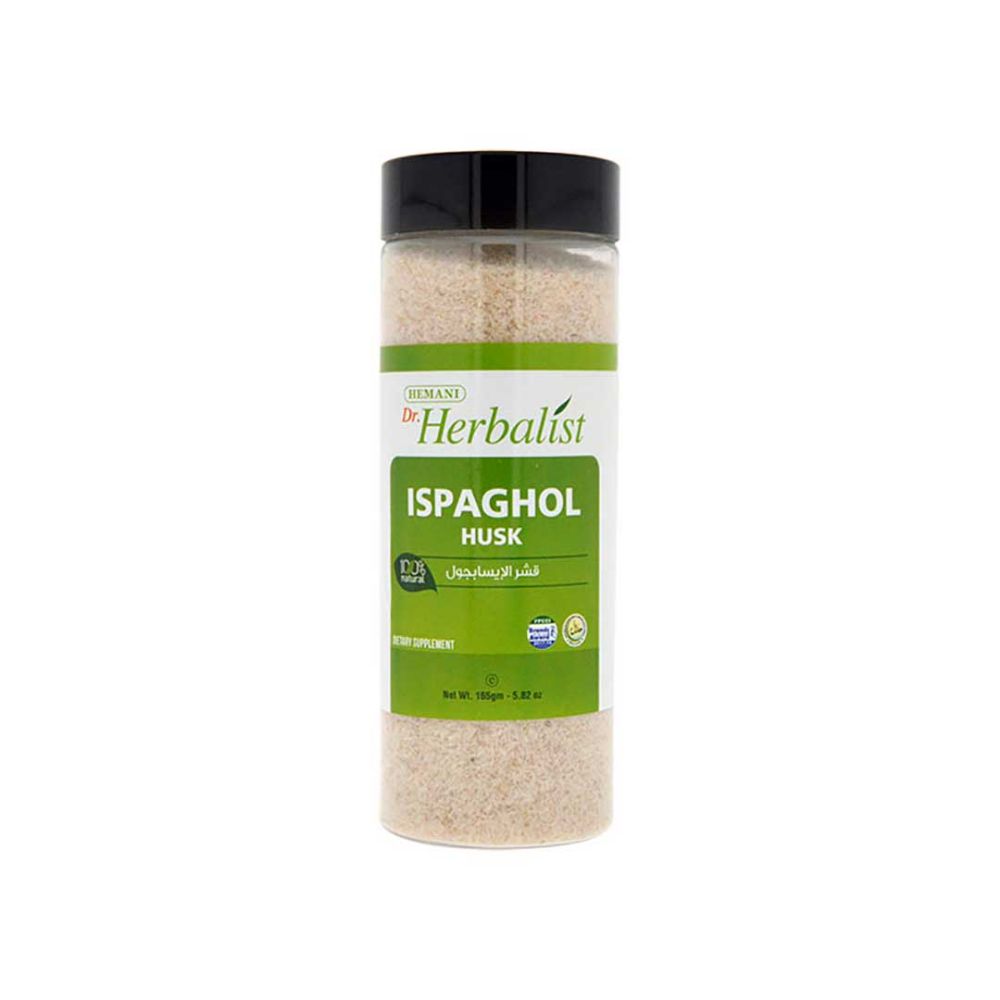
If you’re searching for a natural, safe way to ease Ramadan bloating in the UAE, Ispaghol, also known as Psyllium Husk, has long been trusted as a gentle fiber solution.
At Hemani Herbals, digestive wellness is not about quick fixes. It’s about steady, balanced support rooted in tradition and guided by responsible care.
Why Bloating and Constipation Increase During Ramadan in the UAE
Fasting in the Gulf climate presents unique digestive pressures:
- Reduced daytime hydration
- 14–16 hours without food
- Heavy, fried or sugary iftar meals
- Lower fiber intake at suhoor
- Warm UAE weather is contributing to dehydration
When hydration drops, bowel movement can slow. When large meals follow extended fasting, the digestive system may feel overwhelmed.
This often leads to:
- Temporary bloating after iftar
- Occasional constipation during fasting
- Gas discomfort
- A feeling of tightness or heaviness at night
Many people search for “Ramadan bloating relief UAE” or “constipation during fasting” because they want something gentle, not harsh stimulant laxatives.
That’s where natural soluble fiber plays an important role.
What Is Ispaghol (Psyllium Husk)?
Ispaghol comes from the seeds of the plant Plantago ovata, traditionally valued in Unani and Ayurvedic wellness systems for digestive balance.
It is a rich source of soluble fiber.
When mixed with water, psyllium husk forms a soft gel-like substance known as mucilage. This fiber works by:
- Absorbing water
- Increasing stool bulk
- Supporting smoother bowel movement
- Encouraging digestive regularity
Because it supports the body’s natural process rather than stimulating it aggressively, it is widely used as a gentle dietary fiber option when taken with adequate fluids.
How Ispaghol Supports Digestive Comfort During Ramadan
- Promotes Natural Regularity
Dehydration during fasting can slow digestion. Psyllium absorbs water and adds soft bulk, supporting easier passage and more comfortable bowel movement.
- Helps Ease Occasional Ramadan Bloating
When elimination becomes smoother, the feeling of heaviness and gas after iftar may reduce. Fiber helps maintain digestive flow rather than allowing stagnation.
- Supports Balanced Portion Control
Fiber contributes to a sense of fullness. When taken at suhoor, it may help manage appetite and reduce overeating at iftar; a common trigger for digestive discomfort in the UAE during Ramadan.
Digestive Support Profile of Psyllium Husk
Function | Ramadan Benefit in UAE Climate |
Soluble Fiber | Absorbs water to form a gentle bulk |
Hydration Support | Works best when paired with adequate fluids |
Bowel Regularity | Encourages smoother digestive rhythm |
Satiety Support | Helps prevent overeating at iftar |
This makes Ispaghol a practical addition to suhoor or post-iftar routines for those seeking digestive balance during Ramadan in the UAE.
How to Use Ispaghol During Ramadan
At Suhoor
- Mix 1 teaspoon of Hemani Ispaghol in a full glass of water
- Stir well and drink immediately before thickening
- Follow with another glass of water
Taking it at suhoor helps support hydration and digestive balance throughout the fasting day.
After Iftar
- Can be mixed into warm water or yogurt
- Best consumed at least 1 hour after a heavy meal
- Always follow with sufficient water
Adequate hydration is essential when using fiber supplements.
Why Choose Hemani Ispaghol in the UAE?
At Hemani Herbals, quality and heritage go hand in hand.
Our Ispaghol is:
- Carefully sourced
- Finely cleaned and processed
- Free from unnecessary additives
- Suitable for halal dietary preferences
- Trusted by families across the UAE for decades
We focus on gentle digestive support rooted in traditional wellness systems and aligned with modern safety standards.
For broader digestive balance during Ramadan, you may also:
- Explore our Black Seed Oil collection for holistic wellness support
- Read our guide on Chia Seeds for Steady Energy During Long Fasts to build a balanced fasting routine (blog interlinking)
Frequently Asked Questions
How much Ispaghol can I take during Ramadan?
Generally, 1–2 teaspoons daily with sufficient water is common. Individual needs may vary. Moderation is important.
Does psyllium husk break the fast?
It should only be consumed during suhoor or after iftar, not during fasting hours.
Is Ispaghol safe for daily use?
When taken with adequate hydration and in moderate amounts, psyllium is widely used as a dietary fiber supplement. Those with existing medical conditions should consult a healthcare professional.
Can Ispaghol help with constipation during fasting?
Psyllium supports smoother bowel movement by adding soft bulk. It may assist with occasional constipation during Ramadan when combined with proper hydration.
Support a More Comfortable Ramadan, Naturally
Ramadan is a time for reflection, prayer, family, and spiritual focus. Digestive discomfort should not distract from those moments.
If you are searching for natural Ramadan bloating relief in the UAE, make digestive balance part of your suhoor routine with Hemani’s premium Ispaghol (Psyllium Husk).
Gentle. Trusted. Rooted in tradition. Nourish your Ramadan with care, naturally.